
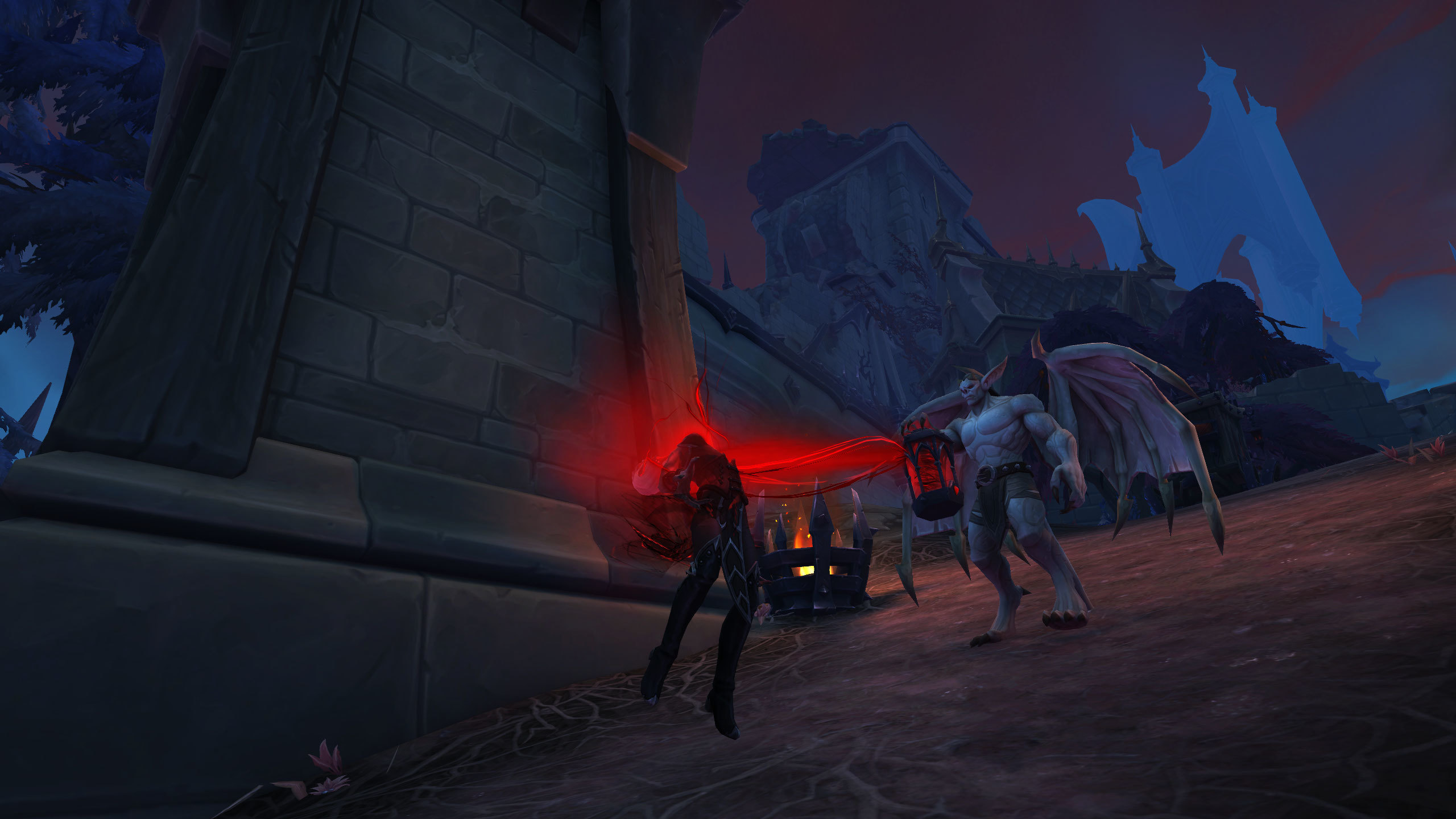

Every new class introduced in World of Warcraft didn’t just add variety—it reshaped the entire game’s combat identity. From the shadowy rise of the Death Knight to the aerial mastery of the Evoker, each addition changed how players approached battle, teamwork, and even storytelling. These classes reflected not only Blizzard’s evolving design philosophy but also the growing diversity of player expression within Azeroth’s endless wars.
This retrospective examines how each major class introduction—Death Knight, Monk, Demon Hunter, and Evoker—transformed combat, community, and the very rhythm of WoW’s gameplay.
The Death Knight: Power With a Price
Introduced in Wrath of the Lich King, the Death Knight was WoW’s first hero class—and it redefined what a starting experience could be. Players began at level 55, emerging from the Ebon Hold as servants of Arthas before breaking free from his control. The class blended melee aggression with dark magic, combining resource management through runes and runic power in a way no other class had done.
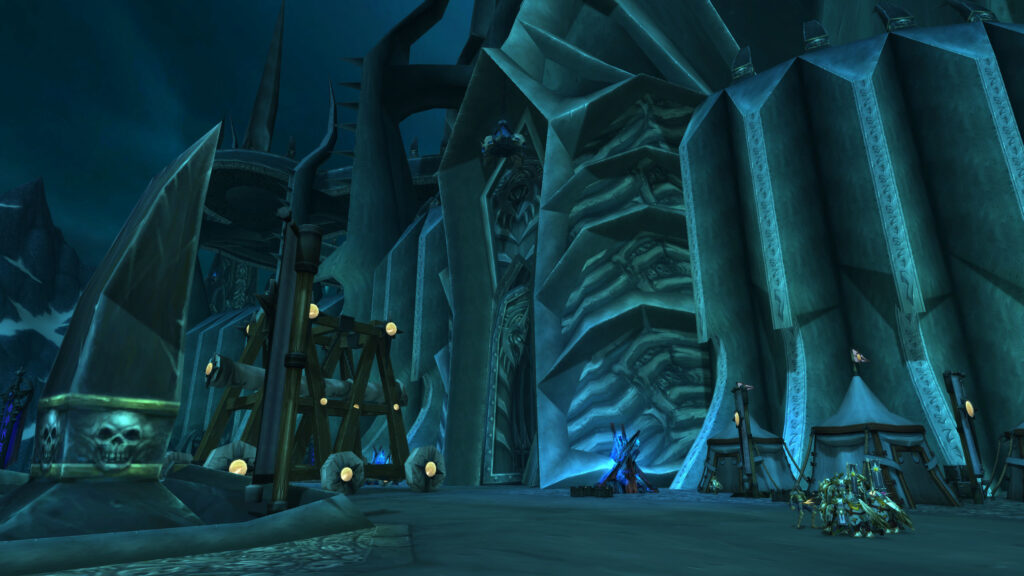
Death Knights also changed encounter design. Their self-sustain mechanics and AoE control tools allowed solo play to thrive and reshaped how tanks and melee DPS interacted with bosses. They embodied the idea of corrupted power—strength born from sacrifice.
The Monk: Flow and Fluidity
Mists of Pandaria introduced the Monk, a class that emphasized mobility, balance, and timing. Inspired by the Pandaren philosophy of harmony, Monks brought martial arts precision and resource rhythm through Chi generation and consumption. Combat felt fluid and reactive, rewarding mastery and awareness.
The Monk’s addition encouraged Blizzard to rethink animation systems, leading to smoother combat visuals across all classes. Their design bridged the gap between traditional MMOs and action combat, adding flow and personality to WoW’s battle system.
The Demon Hunter: Mobility and Spectacle
By Legion, Blizzard wanted a class that embodied speed and flash. The Demon Hunter answered that call with double jumps, gliding, and metamorphosis-fueled aggression. It was the first class to receive fully cinematic movement animations and a minimalist interface built for agility.
Demon Hunters transformed PvP and dungeon mobility, forcing encounter designers to account for players who could skip, glide, or reposition instantly. They also blurred the line between melee and ranged gameplay through dynamic movement and AoE specialization, setting a new gold standard for responsiveness in combat.
The Evoker: A New Age of Hybrid Power
Dragonflight introduced the Evoker, the first new class in over six years and the first restricted by race. Wielding the primal essence of dragons, Evokers combine ranged spellcasting with aerial maneuvers and empowered abilities that charge up for devastating results. This design marks WoW’s evolution into modern combat systems inspired by other action RPGs.
The Evoker’s dual specializations—Devastation and Preservation—blend offense and healing fluidly. Their inclusion also redefined encounter pacing, as their empowered casting mechanic introduced burst windows and positioning strategies unseen in previous expansions.
How New Classes Shape Meta and Identity
Each class introduction forces the game to evolve. Death Knights reshaped tanking balance, Monks refined energy-based playstyles, Demon Hunters pushed movement limits, and Evokers reinvented spellcasting flow. These ripple effects impacted everything from raid design to PvP arenas.
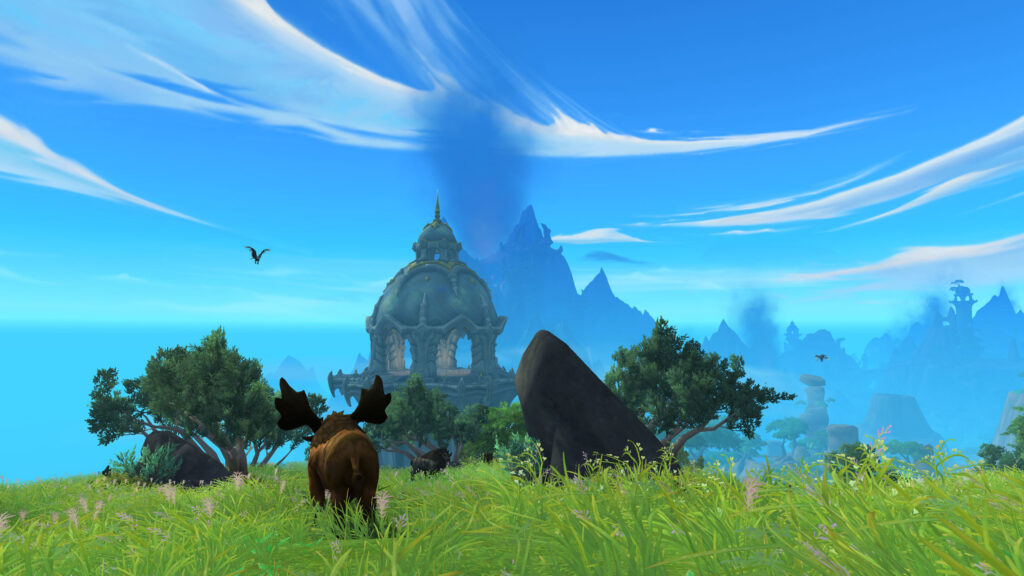
Beyond mechanics, each class reflects its era’s identity. Death Knights represented tragedy and redemption, Monks harmony and discipline, Demon Hunters vengeance and chaos, and Evokers renewal and adaptability. Together, they mirror the emotional and mechanical journey of WoW itself.
Looking Ahead: The Future of Class Design
As The War Within and future expansions approach, Blizzard’s philosophy continues to evolve. The upcoming Hero Talent system expands class diversity without adding entirely new ones—proof that the focus has shifted from quantity to depth. The next generation of heroes may not be defined by new class names but by how existing ones intertwine and specialize.
Still, the legacy of these four introductions endures. Each changed the battlefield, the lore, and the heartbeat of Azeroth’s wars. They didn’t just add options—they redefined what it means to fight for a world that keeps changing.
Conclusion
From Death Knights to Evokers, WoW’s class introductions chart the game’s growth as both a combat system and a storytelling medium. Every new addition challenged the status quo, forcing both players and developers to evolve.
Together, they form the living DNA of Azeroth’s combat identity—a reminder that heroism isn’t static, and neither is the world it defends.